
databuff-proxy Dual-Write Stability
databuff-proxy fans SkyWalking Agent traffic out to multiple backends. This page summarizes load and stability results. Migration steps: From SkyWalking to DataBuff Option B.
What we tested
App traffic ──▶ proxy ──▶ SkyWalking
                   └──▶ DataBuff
Load: QPS = 35 (~5800 forwards/s × 2 paths)
Ingest: DataBuff ~11.3k span/s · SkyWalking ~5805 segment/s
| Metric | Result |
|---|---|
| CPU | 0.89 cores (under 1 core; not host-wide %) |
| Memory | ~47 MB, flat overnight |
| Uptime | 10h+, process stayed up |
1. Resource stability
~6 hours of monitoring (process CPU / RSS; host NIC RX / TX):
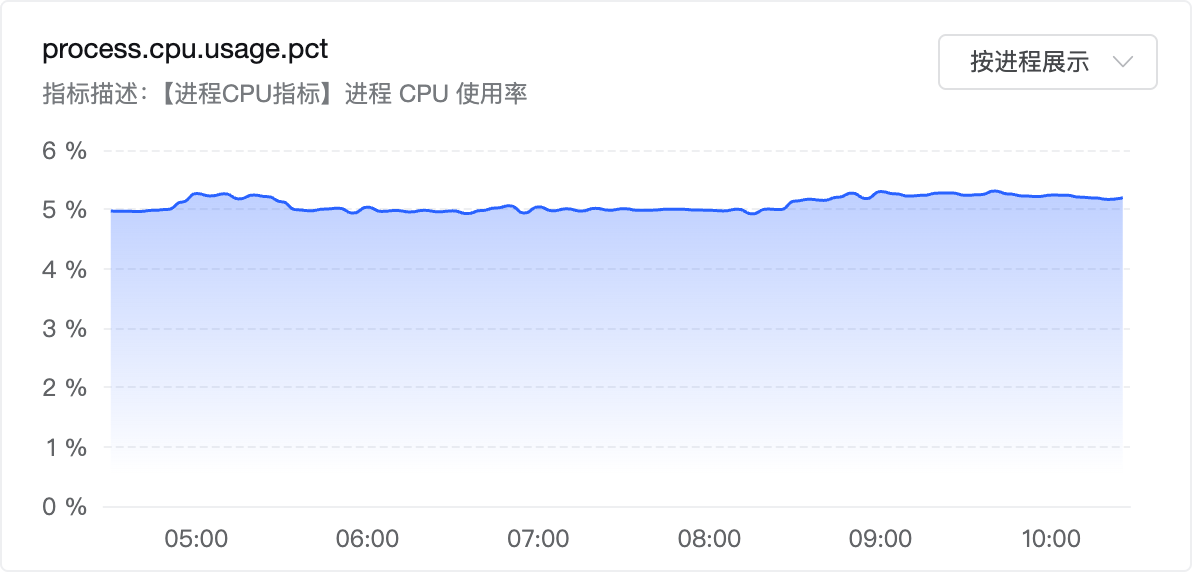
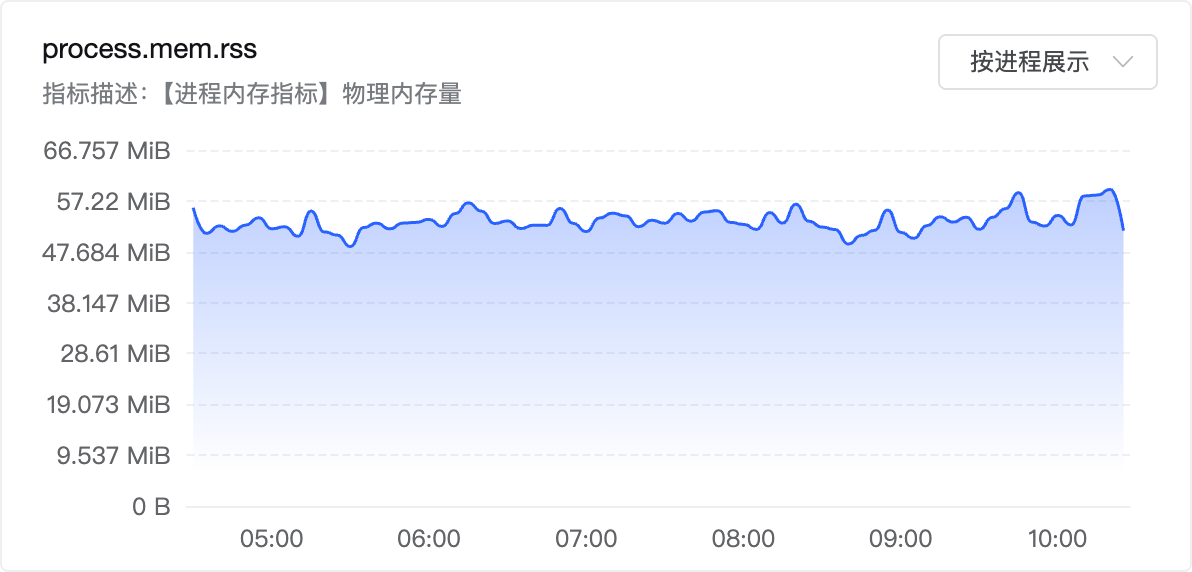
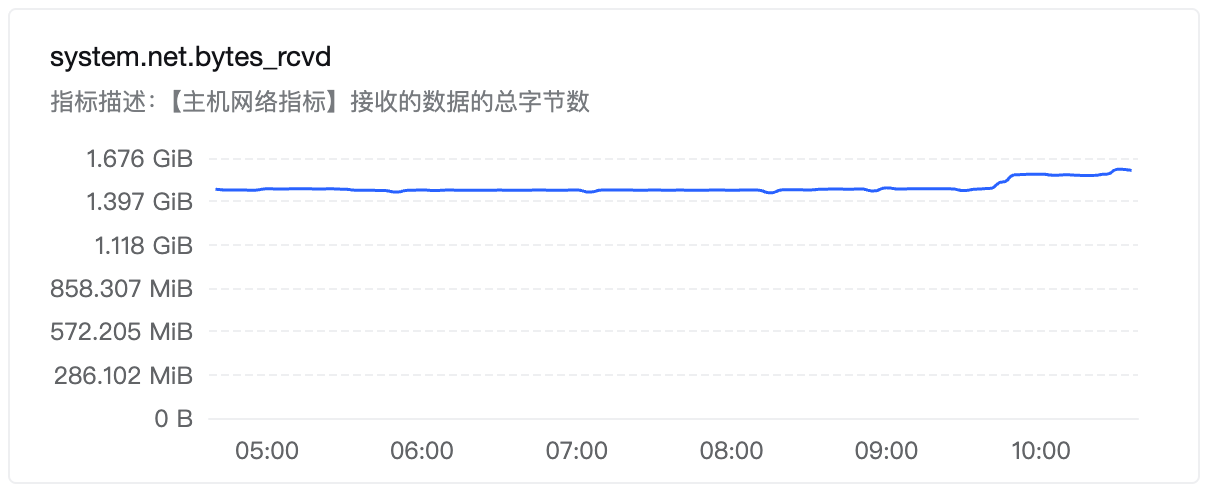
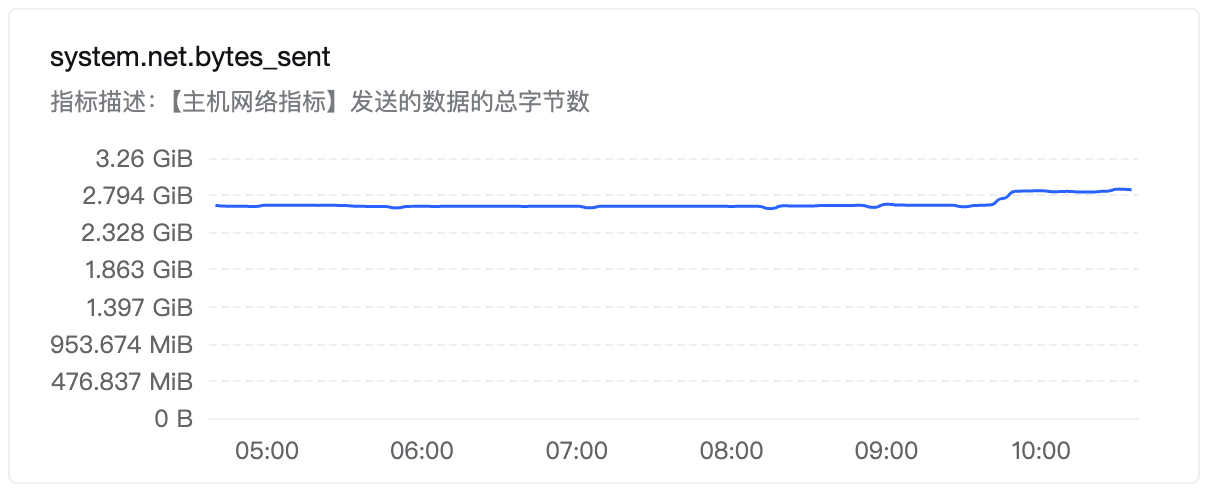
Verdict: Under 1 core, flat memory, steady network.
2. Abnormal scenarios
| Scenario | Behavior | Result |
|---|---|---|
| One backend down | Bad path circuits open; other path keeps writing; proxy stays up | OK |
| Manually disable one write path | That path stops; other unaffected; re-enable recovers | OK |
| Sustained high load | No drops / errors on either path | OK |
| Long run | 10h+ still forwarding; memory flat | OK |
| Restart after config change | Comes back and dual-writes again | OK |
Verdict: Failures isolate correctly; the proxy does not go down with a bad backend.
3. Conclusion
| Check | Result |
|---|---|
| Resource stability | Pass |
| Abnormal scenarios | Pass |
Ready for production use: dual-write is reliable; resource cost is small.
Note: entry call counts matched on both sides (service-a–d ≥ 99.98%); not the focus of this page.